For decades, Sicily has been a magnet for both domestic and international tourism, serving as an ideal destination to enjoy beaches, archaeological sites, beautiful cities, exquisite cuisine, and a culture shaped by a blend of influences over the last two millennia.
However, while tourism is often concentrated in specific hotspots, other corners of the island remain virtually untouched. Facing the new challenges of the 21st century—such as depopulation—these areas are seeking to reinvent themselves by attracting specialized tourism. This is the origin of Outdoor Nebrodi.
The Outdoor Nebrodi Tourism Promotion Project
The Outdoor Nebrodi project is driven by a desire to draw attention to a part of Sicily that is often little-known, even to the island’s own residents.
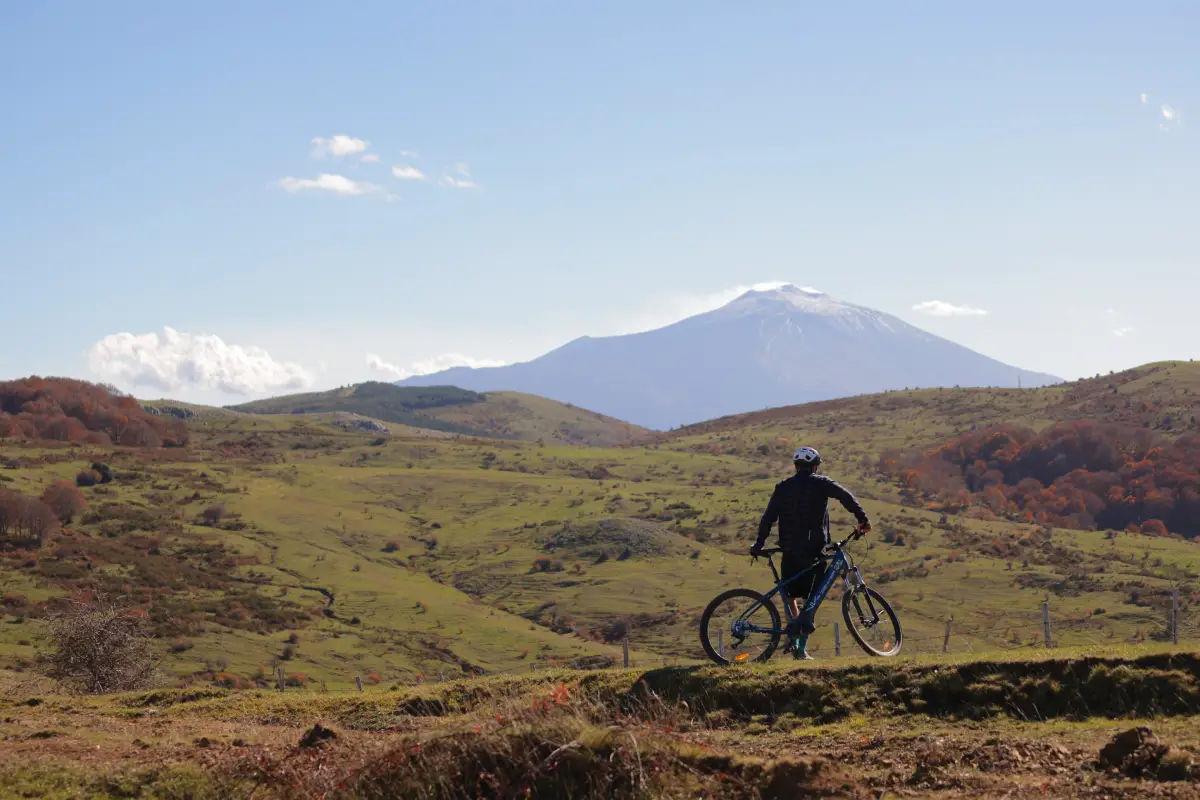
The 80,000 hectares of the Nebrodi Regional Park form a mosaic of lush, green ecosystems and habitats, home to a diverse range of flora and fauna—some of which are endemic—that differ significantly from what is typically found elsewhere in Sicily.
Outdoor Nebrodi was created as an initiative for outdoor tourism in the Nebrodi region. It is structured around an integrated network that allows visitors to experience the Dorsale dei Nebrodi (the Nebrodi Ridge) through hiking, cycle touring, gastronomy, and visits to charming local villages.
To make one of the most significant natural treasures of Sicily’s interior more accessible and recognizable, the project emphasizes hiking, sports-oriented travel, cycle touring, and general outdoor tourism.
At the heart of the project lies the Dorsale dei Nebrodi—a route spanning approximately 70 kilometers that traverses the Nebrodi Regional Park, connecting to the Sentiero Italia CAI (a long-distance hiking trail) as well as numerous secondary paths. Cycling Route along the Dorsale dei Nebrodi
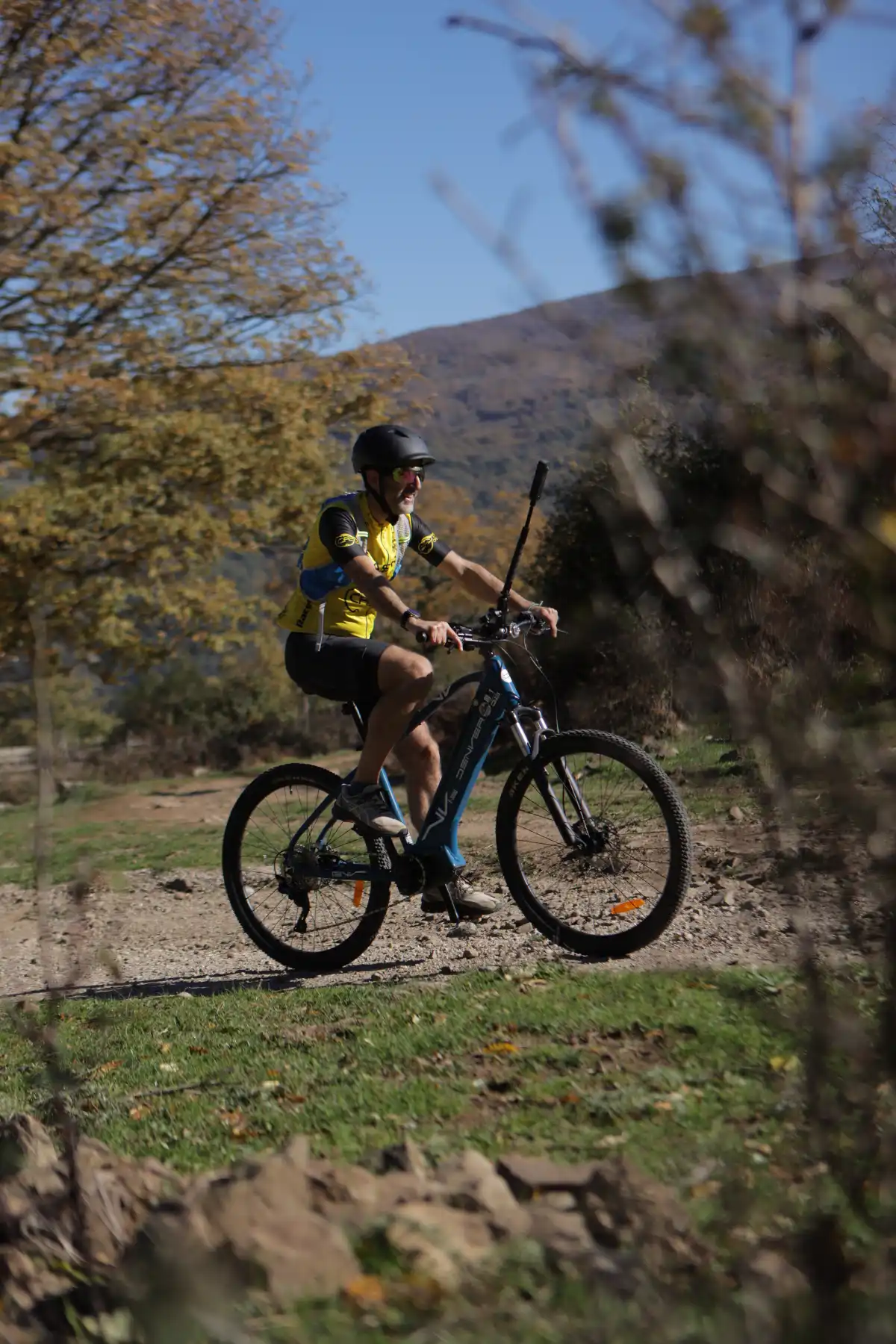
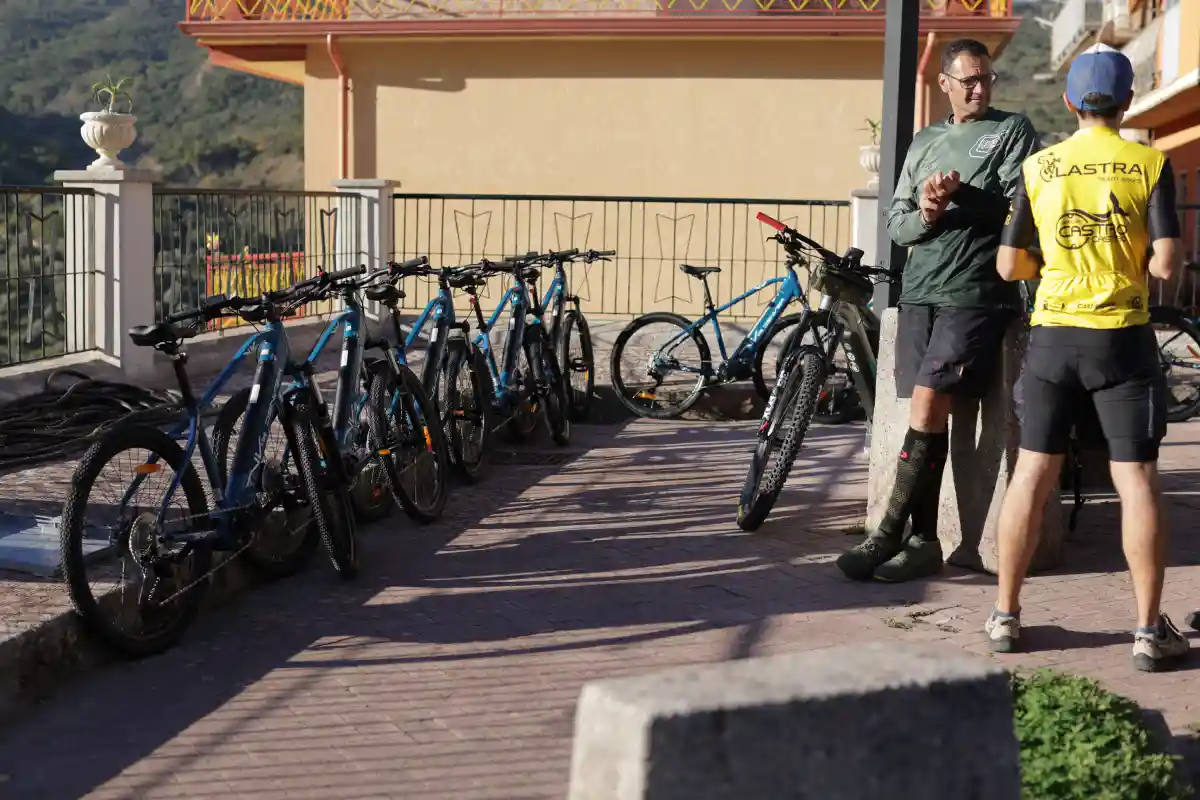
The project includes the creation of welcome and information centers, stations for renting and charging electric bicycles, and a network of rest areas and dining spots. The municipalities directly involved in these initiatives are Castel di Lucio, Mistretta, San Fratello, Longi, Castell’Umberto, Frazzanò, Caronia, and Alcara Li Fusi.
The project’s digital platform connects routes, villages, points of interest, services, experiences, and editorial content. Forests such as Mangalaviti and La Tassita, wetlands like Maulazzo, Biviere, Cartolari, and Trearie, and key viewpoints all serve as nodes within a unified territorial system.
Promotion and Internationalization
The experience of the region is complemented by communication, promotion, and internationalization efforts, aimed at fostering slow, sustainable, and year-round tourism in the Nebrodi area.
To this end, an educational trip and a press trip were organized in November 2026, bringing together tourism professionals and journalists from Sweden, Norway, Austria, the United Kingdom, and Spain.
Over the course of three days, the participants enjoyed the hospitality of the Nebrodi region, using Alcara Li Fusi as their base camp while engaging in various sporting activities.
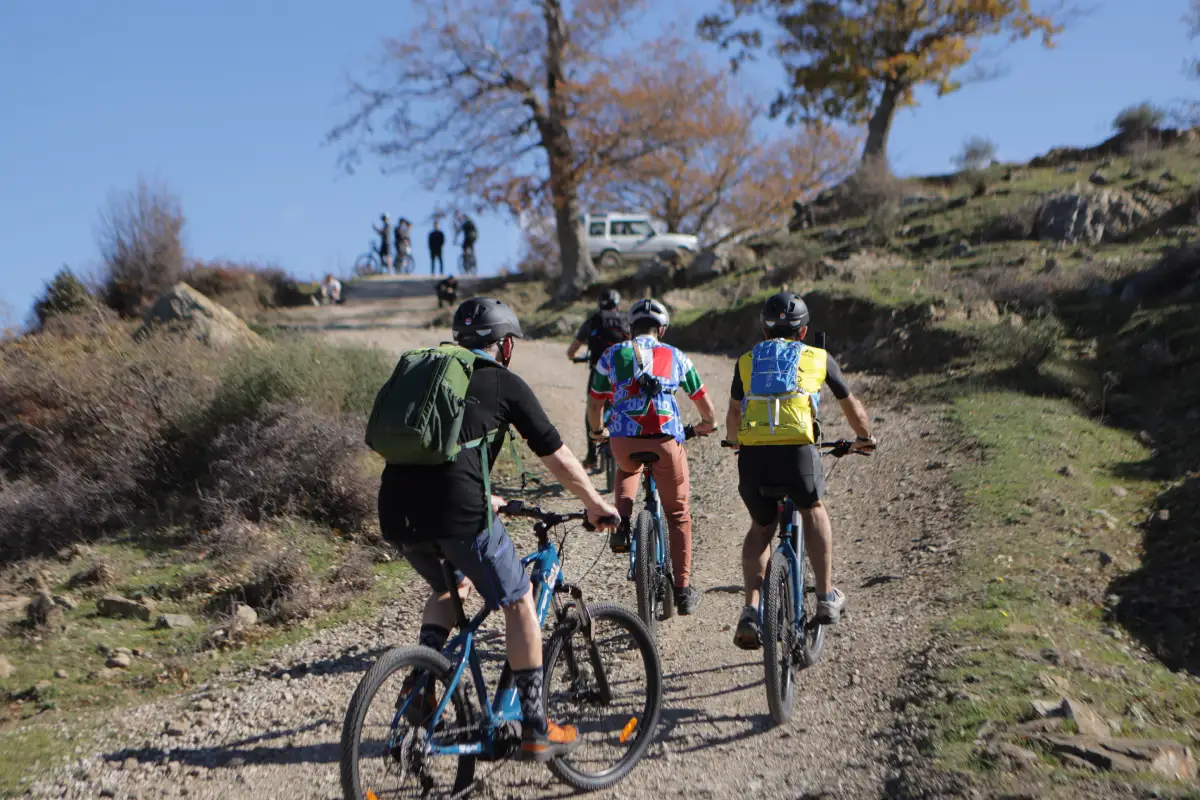
The attendees had the chance to test new electric bicycles, purchased using European funding allocated to the «Nebrodi Outdoor» project for promotional purposes.
Across two stages, they discovered the immense potential of the Nebrodi villages, all set against a backdrop of warm, sunny weather in mid-November.
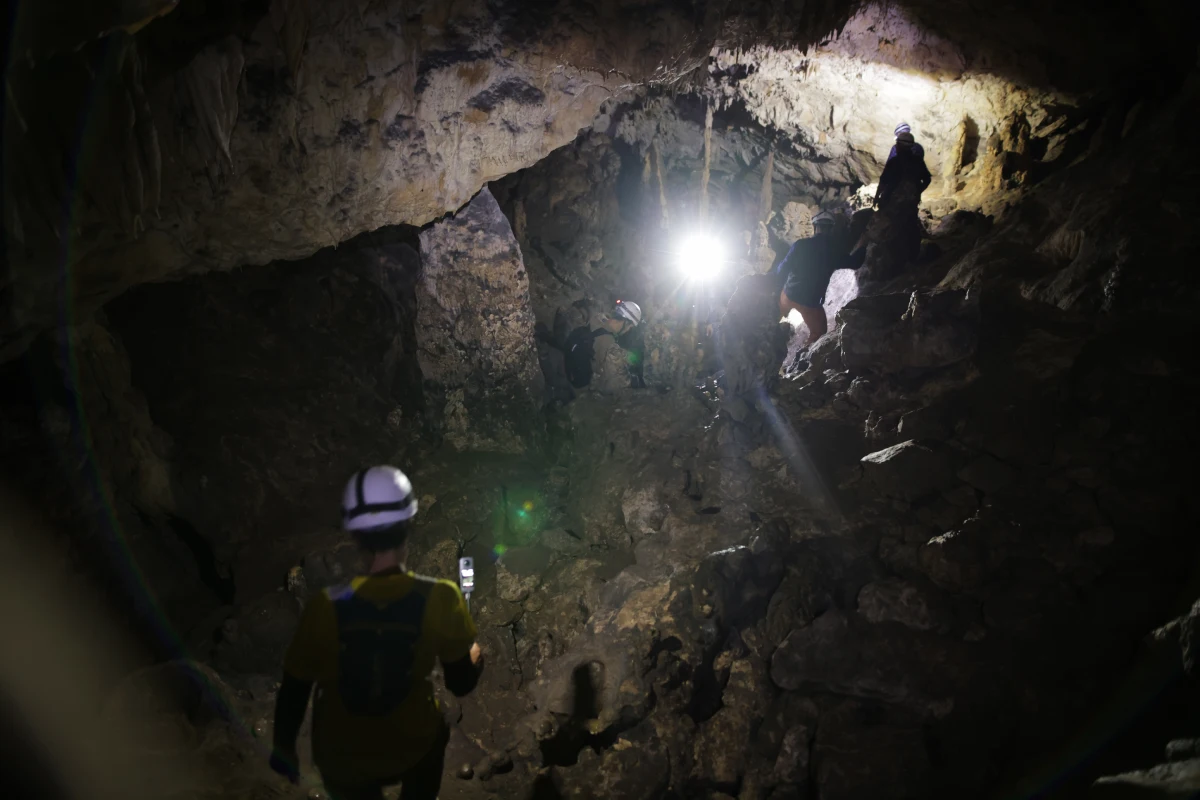
The program included a visit to the Grotta del Lauro cave, which features two main caverns, along with various galleries and tunnels. The cave is notable for its stalactites, stalagmites, columns, and calcite formations—including unique, transparent, mammillary (mound-shaped) structures found within. The Mangalaviti Forest and the Biviere, Tre Arie, and Maulazzo lakes were also visited, and an urban trek was carried out in Alcara Li Fusi to explore its historical and cultural heritage.